
Knee Pain in Mooroolbark: Common Causes and When to See a Physio
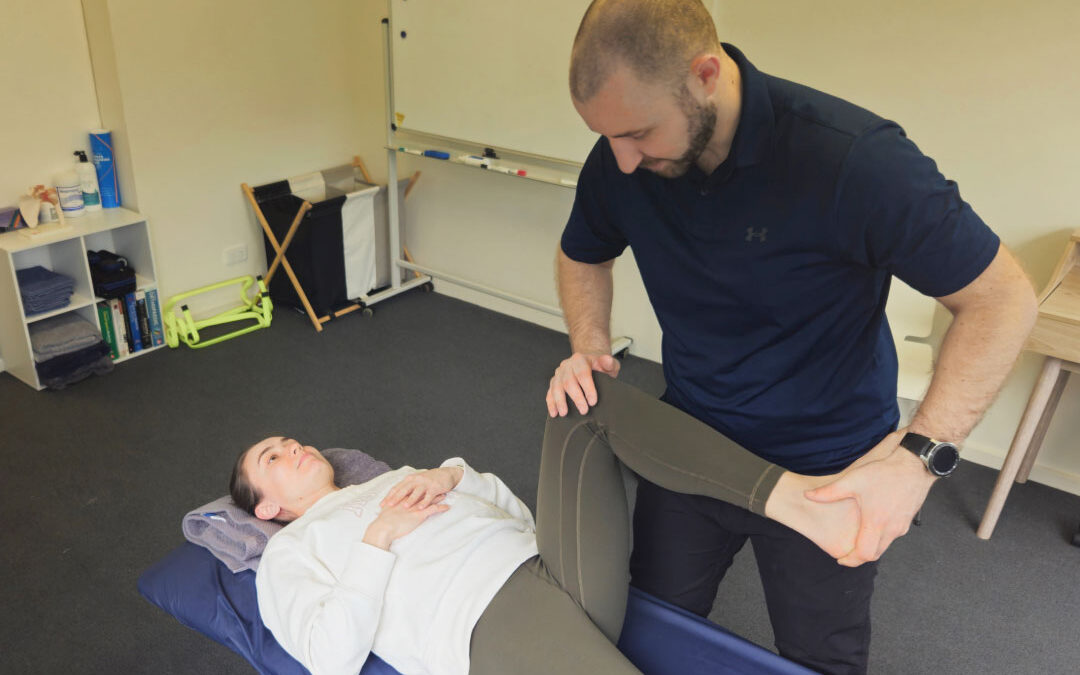
Between weekend sport, the running and cycling routes through Mooroolbark and Hull Road, and a solid gym-going community, the knee copes with a lot of repeated load — and it’s one of the joints most likely to start complaining when that load builds up too quickly. The knee also sits between the hip and the foot, so problems above or below it can end up showing up as knee pain, which is part of why it rarely comes from one single cause. If stairs, squatting, or getting through a run has started to feel off, it’s worth understanding what’s actually going on before it settles into a longer-term problem.
Common causes of knee pain we see
Two people with what feels like the same knee pain can have quite different things driving it. The presentations we see most often in active Mooroolbark locals include:
- Patellofemoral pain — an ache around or behind the kneecap, often worse on stairs (especially going down), squatting, or after prolonged sitting. Common in runners and gym-goers.
- Patellar tendinopathy — pain at the front of the knee just below the kneecap, common in anyone doing regular jumping, squatting, or heavy leg training.
- ACL injuries — usually from a sudden change of direction, landing, or contact in football, netball, or basketball, often with swelling and instability. See our guide to ACL rehabilitation in Ringwood for what the recovery process involves.
- Meniscus irritation — pain along the inner or outer joint line, sometimes with catching, locking, or clicking, from a twisting movement or repetitive loading.
- Knee osteoarthritis — gradual stiffness and aching, more common from the 40s onward, often worse first thing in the morning and easing once the knee “warms up.”
When it’s worth getting it assessed
Mild soreness that settles within a few days of easing off training usually doesn’t need a clinical assessment. It’s worth booking in if:
- Pain has persisted beyond one to two weeks without improvement
- There’s swelling, particularly if it came on quickly after an injury
- The knee feels unstable, catches, or gives way
- It’s limiting stairs, squatting, or training you’d normally manage
- You’re unsure what’s safe to keep training on
Our approach at Adapt Sports Physiotherapy
A proper knee assessment looks at more than just the knee itself — hip strength, foot position, and training load all influence how it’s tracking and loading. We also use VALD ForceDecks and the VALD Dynamo where it’s clinically useful, so decisions about returning to full training or sport are based on objective data rather than guesswork. From there, we build a plan specific to your sport and goals, aimed at getting you back to full training rather than just settling symptoms in the short term. Our knee pain overview covers the fuller range of causes and presentations we see across all age groups.
If you’re local to Mooroolbark and dealing with knee pain, our clinic in nearby Chirnside Park is a short drive away. New patients are always welcome, whether you’re managing an old niggle, working around a recent injury, or want it checked before it gets in the way of training.