
Achilles Pain After Running: When to Worry, When to Keep Going
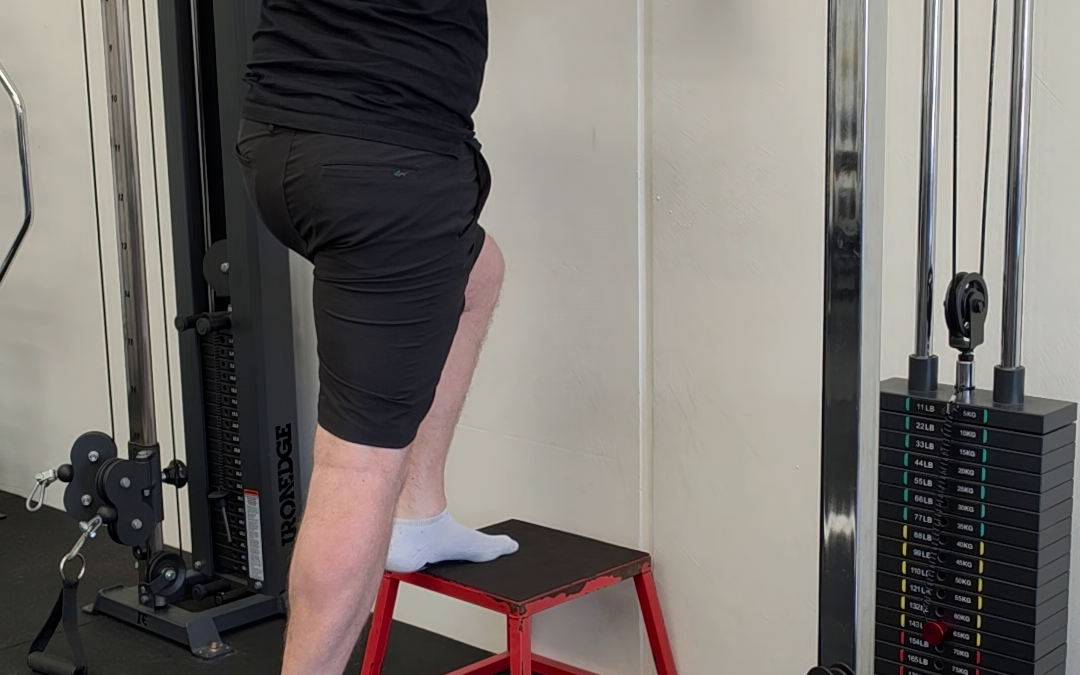
Achilles soreness is one of the most common complaints among runners in the Yarra Valley, and it’s rarely a reason to stop training altogether — but knowing the difference between normal load and a developing injury matters. Left unmanaged, Achilles pain tends to build gradually over weeks rather than announcing itself with one clear moment, which is exactly why it’s easy to run through longer than you probably should.
What’s actually going on
The most common cause of Achilles pain in runners is Achilles tendinopathy — essentially, the tendon hasn’t adapted to the load being placed on it, and the tissue starts to react. It typically shows up as pain that’s worse at the start of a run, eases as you warm up, then returns once you’ve stopped. Morning stiffness is another common sign — the first few steps out of bed feeling sore or tight before easing off as the day goes on. As it progresses, that pain can start showing up more consistently through the day, not just around running.
Signs it’s more than normal soreness
A small amount of tendon discomfort during training isn’t unusual, and isn’t automatically a sign something’s wrong. It’s worth paying closer attention if you notice:
- Pain that’s present through most of the day, not just during or right after running
- Morning stiffness that’s getting worse rather than easing with normal activity
- Visible swelling, or the tendon feeling noticeably thicker than the other side
- Pain on squeezing the tendon directly, particularly in the middle of the Achilles or closer to the heel
- Pain that’s started affecting everyday movements like stairs, squatting or going up on your toes
None of these on their own mean you need to stop running completely — but they’re a sign it’s worth getting assessed rather than pushing through and hoping it settles on its own.
Why it happens
Achilles tendinopathy is almost always a load problem — the tendon being asked to do more than it’s currently conditioned for. A few factors commonly contribute:
- Training errors — a sudden jump in distance, speed or hill work without the gradual buildup the tendon needs to adapt
- Calf strength and ankle mobility — reduced calf strength or limited ankle movement changes how load passes through the tendon
- Footwear and training surfaces — changes to either can shift load patterns more than people expect
- Bodyweight and general loading — more weight moving through the tendon with every step adds up over a run
- Previous tendon issues or age — a tendon that’s had problems before, or simply isn’t as resilient to load as it used to be, is more vulnerable to the same pattern recurring
Most of the time it’s a combination of a few of these rather than one single cause — which is also why there usually isn’t one single fix.
What actually helps
Managing Achilles pain isn’t usually about rest alone — complete rest can actually make tendons less tolerant of load over time. The approach that tends to work is built around two things:
- Load management — working out how much running your Achilles can currently tolerate without the pain building, and structuring training around that amount rather than stopping altogether. This often means adjusting distance, pace or hill work temporarily rather than taking total time off.
- Progressive calf strengthening — tendons respond well to slow, heavy loading. A useful rough benchmark: being able to perform 25 full single-leg calf raises with good form. Many runners dealing with Achilles pain can’t get near that number, which is often a meaningful part of what’s driving the problem.
Strengthening other muscles that absorb load through the leg — quads, hamstrings and glutes — is often part of the picture too, since the calf and Achilles aren’t working in isolation. Some discomfort during the loading exercises themselves is normal and expected as part of building tendon tolerance; the key is keeping it at a low, manageable level rather than pushing into sharp pain, and checking in with how it feels the next morning as a guide.
What to expect from recovery
Achilles pain tends to improve steadily with the right loading approach, but it’s also a condition that can take a genuine stretch of time to fully settle, and flare-ups along the way are common rather than a sign something’s gone wrong. That’s less about any one fixed timeline and more about why ongoing load management and strength work matter even once things are feeling better — the goal is building a tendon that handles your training, not just getting through the current flare.
What we look at in assessment
For Achilles pain, assessment goes beyond just pressing on the sore spot. We look at your running history — distance, pace, surfaces, footwear and anything that’s changed recently — alongside calf strength and ankle mobility on both sides, and how the tendon responds to loading tests like single-leg calf raises or hopping. That combination usually makes clear whether the issue is primarily a load and strength problem, which is the most common finding, or whether something else needs a closer look. It also gives a baseline to track against as strength improves through your program.
Our approach at Adapt Sports Physiotherapy
If Achilles pain is getting in the way of your running, our approach to running injuries starts with understanding your training history and current load — what you’re running, how much, and what’s changed recently — rather than treating the sore spot in isolation. From there we build a plan around your actual running tolerance, combining load management with targeted strengthening, so the aim is getting back to consistent training rather than just settling the current flare.
If you’re dealing with a different kind of running-related pain, our guides to common causes of running injuries and shin splints vs. stress fracture cover other presentations we see regularly. We work with runners from Chirnside Park, Ringwood, Croydon, Mooroolbark and Lilydale, and every plan is built around your training goals rather than a generic protocol.
Frequently asked questions
- Should I stop running completely if my Achilles hurts? Usually not. Complete rest isn’t typically the answer — working out how much running your tendon can currently tolerate, and training within that, tends to work better than stopping altogether. An assessment can help clarify your actual tolerance rather than guessing.
- Is it normal to feel some discomfort during calf-strengthening exercises? Yes, to a point. Tendons generally need some loading to adapt, so a low level of discomfort during exercises is expected. It becomes a concern if it’s sharp pain, or if it’s noticeably worse the next morning.
- How do I know if it’s tendinopathy or something more serious, like a tear or rupture? A sudden, sharp pain described as feeling like being kicked in the back of the leg, especially with difficulty weight-bearing afterward, is different from the gradual ache of tendinopathy and needs prompt assessment. If in doubt, get it checked rather than assuming.
- Will my Achilles pain come back once it settles? It can, particularly if training load increases again without the tendon being conditioned for it. That’s part of why ongoing strength work matters even after the current flare has settled, not just during it.